
Drainage/Trenching
Water Damage Stopped Before It Reaches Foundations
Drainage Solutions in Dallas-Fort Worth for properties experiencing foundation water intrusion, yard flooding, and erosion caused by poor surface runoff control also serving Niagara Falls, Buffalo, Orchard Park, NY, and surrounding areas.
When storm water pools against foundation walls or floods low areas of yards, it saturates clay soil and creates hydrostatic pressure that cracks concrete, shifts piers, and forces moisture into crawl spaces or basements. Drainage solutions redirect water away from structures using engineered systems like French drains, surface swales, downspout extensions, and graded channels that move runoff to safe discharge points. Excavation Pros installs these systems across Dallas-Fort Worth, addressing the region's Blackland clay soil that holds water near foundations longer than other soil types, increasing the risk of structural damage and costly repairs.
The process begins with identifying where water enters the property, where it collects, and where it needs to go. French drains use perforated pipe surrounded by gravel to intercept subsurface water and carry it away from foundations. Surface swales are shallow, graded channels that guide sheet flow across yards without creating erosion. Downspout extensions move roof runoff beyond foundation zones, preventing concentrated discharge that saturates soil directly against walls.
Schedule a site evaluation to map drainage problems and request a custom solution designed for your property's slope, soil, and water flow patterns.
Why Engineered Drainage Works for Clay Soil
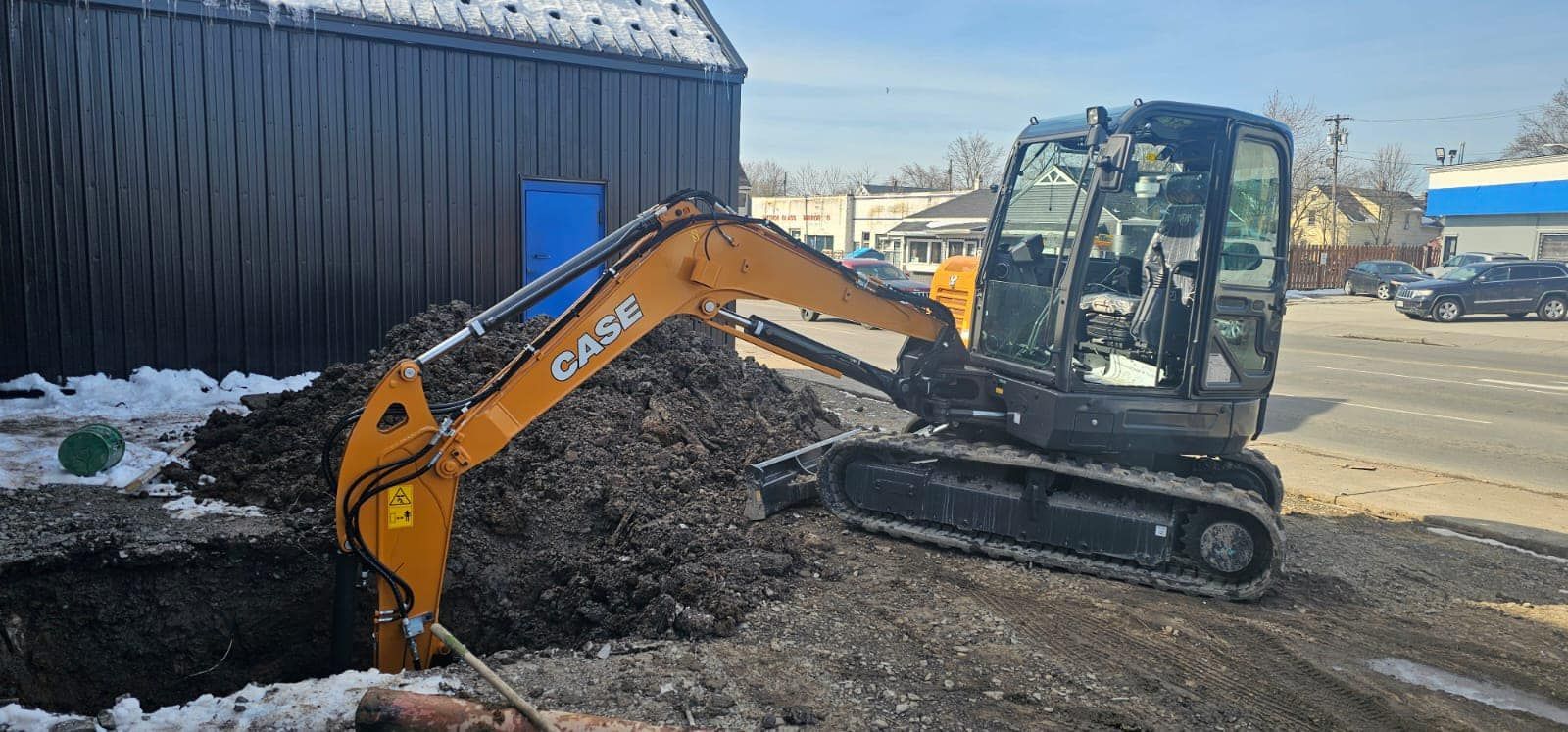
Installation involves excavating trenches to specific depths and slopes, laying perforated drain pipe with proper fall toward discharge points, and backfilling with washed gravel that allows water to flow freely into the system. Surface drains capture runoff before it reaches problem areas, while subsurface French drains intercept groundwater before it reaches foundation footings. All systems terminate at approved discharge points—typically street drains, drainage easements, or lower property edges where water exits without flooding neighboring lots.
After installation, foundations remain dry during storms, crawl spaces no longer accumulate standing water, and yards drain within hours instead of remaining saturated for days. Property owners notice fewer foundation cracks, healthier landscaping in previously waterlogged zones, and elimination of mosquito breeding areas where water used to pool. The systems function passively, requiring no pumps or power, and handle Dallas-Fort Worth's intense but short-duration rainstorms without overflowing.
Drainage projects often pair with grading adjustments to optimize surface flow, and may include sump pump installations in areas where gravity drainage is not feasible. Systems are designed to accommodate future landscaping or hardscaping without disrupting drain function.
Common Questions About Drainage Systems
Property owners across Plano, Irving, Prosper, Celina, McKinney, and Frisco ask similar questions about system types, maintenance, and how drainage work integrates with existing landscapes.
- What is a French drain and when is it necessary? A French drain is a gravel-filled trench containing perforated pipe that collects and redirects subsurface water. It becomes necessary when water saturates soil near foundations, when basements or crawl spaces stay damp, or when surface solutions alone cannot handle the volume of runoff reaching problem areas.
- How does Dallas-Fort Worth clay soil affect drainage system design? Clay drains slowly and holds water near the surface longer than sandy or loamy soils, requiring deeper trenches, more aggressive gravel backfill, and discharge systems that move water farther from structures. Systems must also account for clay's expansion during wet periods, which can shift pipes if installation lacks proper bedding.
- Where does collected water go after leaving the drain system? Water discharges to approved outlets like municipal storm drains, drainage easements, or lower property edges where it flows away from structures and neighboring properties. Local codes in Dallas-Fort Worth prohibit discharging onto adjacent lots or into sanitary sewer lines.
- How long do drainage systems last before requiring maintenance? Properly installed systems with clean gravel and fabric filter wraps function for decades with minimal maintenance. Inspections every few years check for sediment buildup, root intrusion, or discharge blockages, but most systems require no intervention unless landscaping changes redirect new water sources into the system.
- Can drainage systems be installed without damaging existing landscaping? Trenches are excavated along property edges, through low-traffic yard areas, or beneath hardscapes to minimize disruption. Turf and plantings are removed during installation and restored afterward, though some temporary disturbance is unavoidable when trenches cross finished landscape zones.
Excavation Pros designs drainage systems based on site-specific water flow, soil conditions, and available discharge options, ensuring solutions protect foundations without creating new problems elsewhere on the property. Arrange a consultation to review your drainage concerns and receive a detailed proposal for engineered water management tailored to Dallas-Fort Worth clay soil conditions..